EN
EN
 fr
fr  de
de  es
es  it
it  ru
ru  pt
pt  ar
ar  id
id  ms
ms  uk
uk 


Ми співпрацювали з понад 200 країнами у проєктах сонячної енергетики та проєктах дорожнього освітлення. Ми експортували продукцію до багатьох країн і брали участь у багатьох важливих урядових проєктах по всьому світу.



Ми співпрацювали з понад 200 країнами у проєктах сонячної енергетики та проєктах дорожнього освітлення. Ми експортували продукцію до багатьох країн і брали участь у багатьох важливих урядових проєктах по всьому світу.

Anern має 17 років досвіду у сфері сонячного освітлення та виробництва сонячної продукції. Штаб-квартира Anern розташована в Гуанчжоу. Маючи виробничу базу площею 30 000 квадратних метрів, наша компанія має команду досліджень і розробок з понад 100 осіб.
Чи замислювалися ви коли-небудь, що змушує літій-залізо-фосфатний акумулятор працювати краще за інші? Відповідь криється в розумінні його критичних параметрів.
Літій-залізо-фосфатні акумулятори перевершують інші завдяки специфічним технічним параметрам, таким як напруга (номінальна 3,2 В), ємність, глибина розряду (рекомендовано 80%), щільність енергії (90-120 Вт·год/кг) та широкий діапазон робочих температур (від -20°C до 50°C). Ці фактори визначають продуктивність, термін служби та безпеку в системах зберігання енергії.
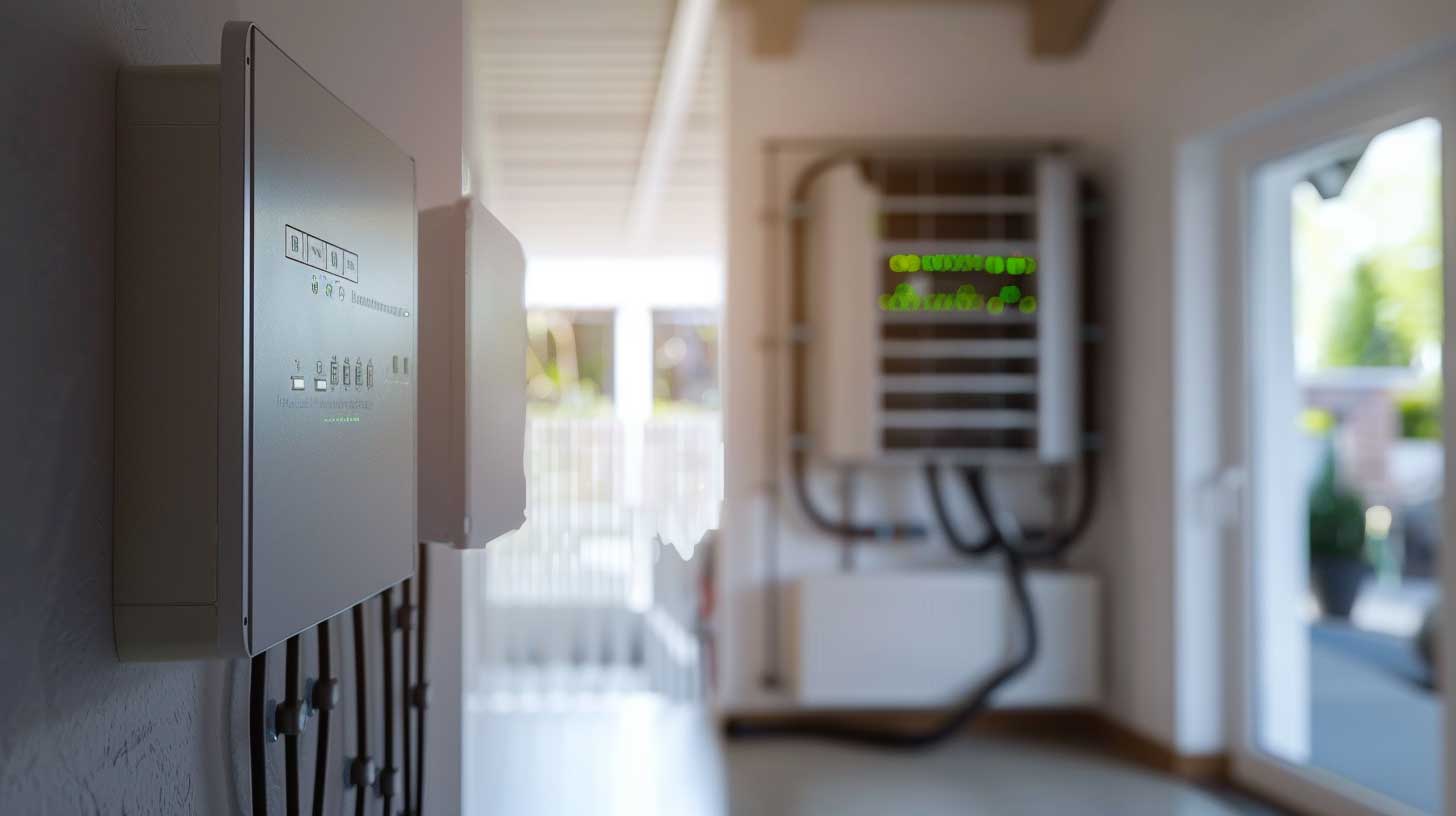
Розгляньмо кожен параметр детально, щоб зрозуміти, як вони впливають на продуктивність і довговічність вашої системи зберігання енергії.
Чому фахівці наголошують на напрузі та ємності, обговорюючи літій-залізо-фосфатні акумулятори?
Літій-залізо-фосфатні комірки мають номінальну напругу 3,2 В на комірку, при цьому повний заряд досягає 3,65 В, а безпечний розряд становить 2,5 В. Ємність (вимірюється в А·год) визначає потенціал зберігання енергії, причому моделі з вищою ємністю, як-от версії 48 В 200 А·год, підходять для більших застосувань.
| Параметр | Специфікація | Важливість |
|---|---|---|
| Номінальна напруга | 3,2 В/комірка | Стандартний робочий рівень |
| Напруга заряду | 3,65 В/комірка | Максимальний безпечний рівень заряджання |
| Відсічення розряду | 2,5 В/комірка | Запобігає пошкодженню від надмірного розряду |
| Послідовні конфігурації | Системи 12 В, 24 В, 48 В | Універсальні напруги систем |
Зменшений струм за тієї ж потужності (P=V×I)
Менші втрати енергії в кабельних лініях
Сумісність із системами сонячних інверторів
200 А протягом 1 години
50 А протягом 4 годин
10 А протягом 20 годин
Швидкості розряду (ефект Пейкерта)
Температурні умови
Віку акумулятора та кількості циклів
Що робить 80% DoD золотим правилом для LiFePO4 акумуляторів?
Акумулятори LiFePO4 витримують понад 2000 циклів при 80% DoD порівняно з лише 500-1000 циклами при 100% DoD. Такий підхід із частковим розрядом значно продовжує термін служби батареї, забезпечуючи при цьому більше корисної енергії, ніж свинцево-кислотні аналоги.
Ключові висновки наших польових випробувань Anern
| Рівень DoD | Орієнтовна кількість циклів | Еквівалент років (щоденне циклування) |
|---|---|---|
| 100% | 500-800 | 1.4-2.2 |
| 80% | 2000-2500 | 5.5-6.8 |
| 50% | 3000-4000 | 8.2-11 |
Розрахунок потужності системи: Встановіть на 25% більше потужності, ніж потрібно
Конфігурація BMS: Встановіть відсікання розряду на рівні 20%, що залишилися
Поведінка користувача: Заряджайте до повного розрядження
Моніторинг: Використовуйте лічильники батареї для відстеження DoD
Інтелектуальні системи управління батареями
Алгоритми оптимізації DoD
Межі розряду, що налаштовуються користувачем
Як LiFePO4 балансує між зберіганням енергії та віддачею потужності?
LiFePO4 має помірну щільність енергії (90-120 Вт·год/кг), але чудову щільність потужності (до 1000 Вт/кг), що робить його ідеальним для застосувань, які потребують як зберігання енергії, так і пікових навантажень. Хоча за щільністю енергії він поступається літій-іонним NMC, його термічна стабільність є вищою.
| Характеристика | LiFePO4 | Свинцево-кислотні | Літій-нікель-марганець-кобальт (NMC) |
|---|---|---|---|
| Щільність енергії | 90-120 Вт·год/кг | 30-50 Вт·год/кг | 150-200 Вт·год/кг |
| Щільність потужності | До 1000 Вт/кг | 100-200 Вт/кг | 300-500 Вт/кг |
| Термін служби (цикли) | 2000+ | 300-500 | 500-1000 |
| Тепловий розгін | >200°C | Н/Д | ~150°C |
Сонячне накопичення: перевага щільності енергії
Застосування в електромобілях: потрібна питома потужність
Резервне живлення: потрібні обидві характеристики
Індивідуальні конфігурації комірок
Передове терморегулювання
Балансування під конкретне застосування
Чи витримують LiFePO4-акумулятори спеку пустелі або арктичний холод? LiFePO4-акумулятори працюють у діапазоні від -20°C до 50°C, хоча за екстремальних температур продуктивність знижується. Ємність зменшується приблизно на 20% за -20°C, тоді як заряджання за температури вище 45°C потребує коригування напруги. Належне терморегулювання підтримує оптимальну продуктивність.
| Температура | Приймання заряду | Розрядна ємність | Примітки |
|---|---|---|---|
| -20°C | Обмежено | 65-85% | Розминка покращує |
| 0°C | 70% | 80-90% | Повільне заряджання |
| 25°C | 100% | 100% | Оптимально |
| 45°C | 90% (з регулюванням напруги) | 95% | Потребує контролю |
| 60°C | Не рекомендовано | Скорочений термін служби | Ризик для безпеки |
Наші рішення включають:
Вбудовані датчики температури
Автоматичне регулювання швидкості заряджання
Опції попереднього підігріву для холодної погоди
Вентильовані корпуси акумуляторів
Розуміння параметрів LiFePO4 забезпечує оптимальне проєктування системи та максимальну віддачу від ваших інвестицій у зберігання енергії.