EN
EN
 fr
fr  de
de  es
es  it
it  ru
ru  pt
pt  ar
ar  ms
ms  id
id 


Anern, with 16 years of experience in the energy industry, from solar systems to solar accessories, from indoor LED lighting to outdoor solar lighting, we are one of the sources to meet your diverse needs.



Anern has 16 years of experience in solar lighting and solar product manufacturing. Anern is headquartered in Guangzhou. With a production base of 7,000 square meters, our company has an R&D team of more than 100 people.

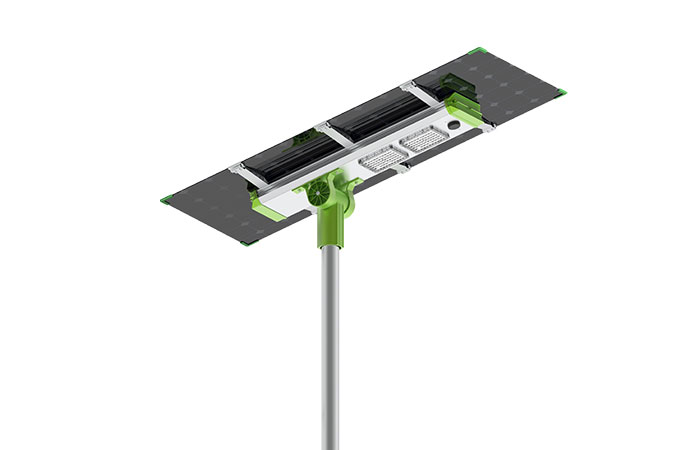
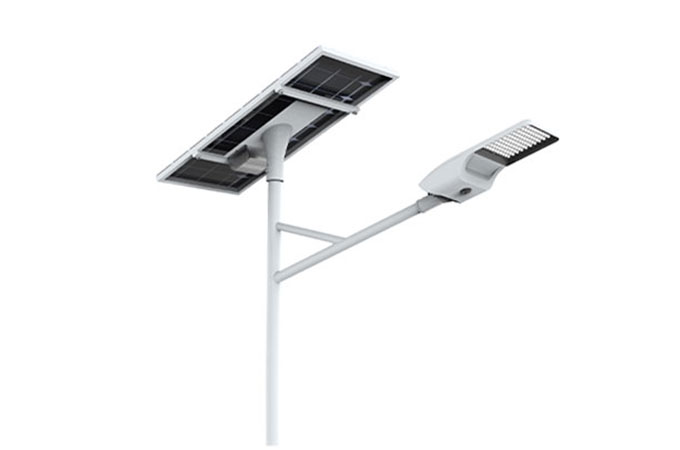
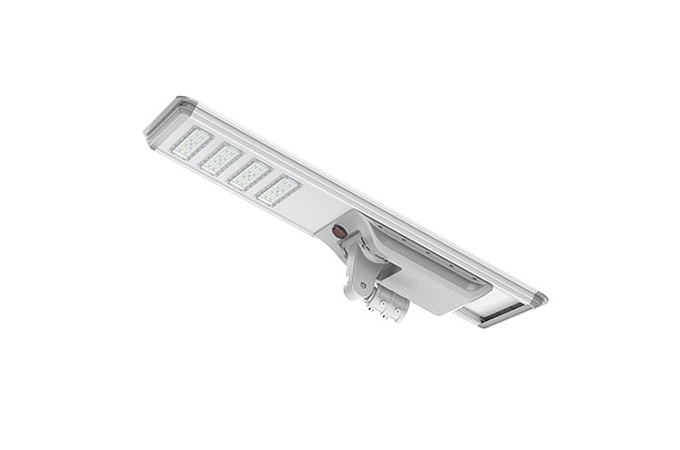
Solar energy is a renewable, clean energy source that is inexhaustible and represents the inevitable trend of future energy utilization. With the widespread application of clean solar energy and the gradual maturity of energy storage technology,solar street lights with sensorsare gradually showing their advantages in road lighting and rural illumination, and replacing grid-powered street lights has become a trend.
The function of the solar panel is to convert solar energy into electrical energy that can be stored in the battery. Currently, monocrystalline panels have the highest conversion rate of17%, while polycrystalline panels have around12%.
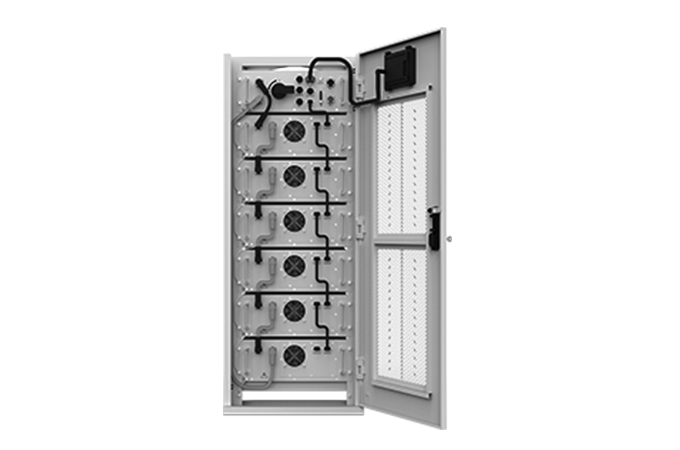
The working principle of the lithium battery is that during the day it stores the electrical energy converted by the photovoltaic solar components, and at night it discharges according to control instructions. The quality and price of products from manufacturers with different technical capabilities can vary significantly.
The quality of the controller directly affects the lifespan of the solar street light system. It is best to choose a branded one.
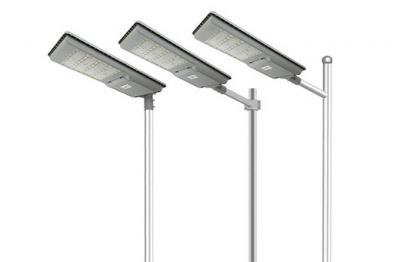
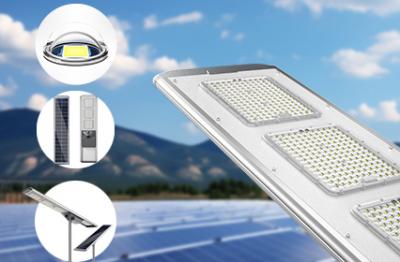
Currently, better products on the market use flat lamp heads, and the light source can be selected with built-in heat dissipation.
The pole part is customized according to the initial design requirements of the customer for the pole type and configuration parameters. Different size and style requirements significantly affect the price.
Road and street lighting in rural, township, and other peripheral areas.
Urban squares, parking lots, school playgrounds, workers' green spaces, and park lighting.
Lighting for golf courses, beach resorts, upscale villa areas, and more.
Replacement of highway warning signs, bridge street light power sources, and street lights.
The main purpose of applying solar street lights in urban lighting systems is to save energy consumption. However, because they are greatly affected by weather factors, solar street lights may not fully meet lighting needs in cloudy and high-power-demand areas. Therefore, during application design, the original street light system design needs to be combined to increase solar power supply, achieving a complement of grid power and solar power to ensure timely switching to grid power when solar power is insufficient, thus improving the efficiency of the overall lighting system.
During application design, it is necessary to improve the application efficiency through reasonable design based on meeting various functional needs of the lighting system. This simultaneously reduces system energy consumption and pollution, achieving energy-saving and environmental protection purposes. Additionally, for the application design of solar street lights, to ensure high application efficiency after implementation, it is essential to analyze local geographic and meteorological factors, such as sunshine duration, foggy weather, and rainy weather, thoroughly investigating and analyzing actual conditions. Adjust the design plan in real-time according to the actual situation to meet the lighting system's needs to the greatest extent.
The primary purpose of constructing urban road lighting systems is to ensure traffic safety and, on that basis, improve transportation efficiency, providing a safe and comfortable environment for traffic operation. Therefore, in the construction and application ofsolar street lights with sensors, it is necessary to follow the traffic safety principle. Reasonable design based on the actual transportation needs of local road segments is essential, ensuring all aspects of the design meet usage requirements.

Anern operates as a solar energy solutions manufacturer, supplying solar inverters as part of integrated solar power systems that combine power conversion, energy storage, and system-level design for various solar applications.
Before placing bulk order, samples order for testing is acceptable. This allows customers to more intuitively understand the appearance and quality of Anern's products.
Anern produces several types of solar inverters across multiple product series for different applications:
Off-Grid Solar Inverters: Designed for areas without grid access or unstable power sources, supporting remote power access 12. For example:
AN-SCI-PRO Series (2000/3200W models)
AN-PVI Series (6000/10000W)
Hybrid Solar Inverters
IP65-rated Hybrid Inverters: Durable, all-weather inverters for grid-tie/backup systems. Includes AN-SCI-EVO series (e.g., AN-SCI-EVO10200, EVO4200/6200)
UPS Hybrid Inverters: Models like the 2000-12000W solar inverter with UPS functionality for uninterrupted power supply
Low Frequency Solar Inverters: Heavy-load industrial inverters for high-power applications. Features include driving pumps, air conditioners, and refrigerators
Specific product highlights:
AN-FGI-DU4200 Series: Hybrid PV inverters for residential/commercial use
AN-SCI02-PA Series: Off-grid parallel inverters (e.g., AN-SCI02-PA6200)
Anern produces the following inverter power ratings and types:
Power Ratings:
1kW Inverters
1.5kW Inverters
2kW Inverters
3kW Inverters
4kW Inverters
4.2kW Inverters
5kW Inverters
6kW Inverters
6.2kW Inverters
6.5kW Inverters
7.2kW Inverters
10kW Inverters
10.2kW Inverters
12kW Inverters
Inverter Types:
Single Phase Solar Inverter
MPPT Solar Inverter - Integrated in controllers
Off Grid Inverter
Hybrid Solar Inverter
High Power Inverters (commercial, up to 100KW)
Commercial Solar Inverter
UPS Solar Inverter
Pure Sine Wave Inverter - Fundamental to all models
Solar Power Inverter for Home - All residential models
Note: Dual-output and on-grid capabilities are implied through hybrid and UPS systems.
Anern solar energy products comply with international certification standards such as ISO 9001, CE, TUV, FCC, and ROHS, supporting deployment in different regional markets.
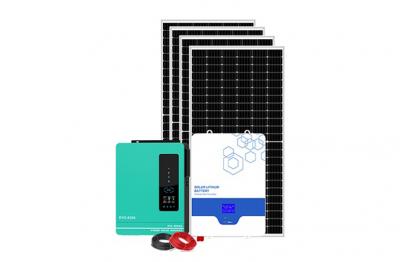
Anern provides on-grid solar systems, off-grid solar systems, hybrid solar systems, and integrated solar energy storage systems that combine solar panels, inverters, lithium batteries, and system accessories.