EN
EN
 fr
fr  de
de  es
es  it
it  ru
ru  pt
pt  ar
ar  id
id  ms
ms  uk
uk 


Ми співпрацювали з понад 200 країнами у проєктах сонячної енергетики та проєктах дорожнього освітлення. Ми експортували продукцію до багатьох країн і брали участь у багатьох важливих урядових проєктах по всьому світу.



Ми співпрацювали з понад 200 країнами у проєктах сонячної енергетики та проєктах дорожнього освітлення. Ми експортували продукцію до багатьох країн і брали участь у багатьох важливих урядових проєктах по всьому світу.

Anern має 17 років досвіду у сфері сонячного освітлення та виробництва сонячної продукції. Штаб-квартира Anern розташована в Гуанчжоу. Маючи виробничу базу площею 30 000 квадратних метрів, наша компанія має команду досліджень і розробок з понад 100 осіб.
Багато користувачів акумуляторів цікавляться, чи можуть вони використовувати свої наявні зарядні пристрої з батареями LiFePO4. Відповідь може вас здивувати.
Батареї LiFePO4 потребують спеціалізованих зарядних пристроїв, які забезпечують точну напругу 3,65 В на комірку на стадії абсорбції (14,6 В для 48-вольтових систем), а потім знижуються до точної напруги підтримки. Використання стандартних зарядних пристроїв для свинцево-кислотних або літій-іонних батарей може значно скоротити термін служби та продуктивність акумулятора, потенційно спричиняючи проблеми з безпекою.
Розуміння цих вимог до заряджання допоможе вам максимально використати свої інвестиції в акумулятор, забезпечуючи при цьому безпечну роботу.
Чим заряджання LiFePO4 відрізняється від інших акумуляторів?
Хімія LiFePO4 вимагає специфічних профілів напруги під час заряджання: фаза постійного струму до досягнення 3,65 В/комірку, потім постійна напруга, доки струм не впаде до 0,05C, після чого — нижча напруга підтримки (зазвичай 3,4 В/комірку). Такий точний контроль запобігає осадженню літію та продовжує термін циклів.
| Параметр | Специфікація | Важливість |
|---|---|---|
| Напруга абсорбції | 3,65 В ± 0,05 В/комірку | Повний заряд без стресу |
| Напруга підтримки заряду | 3,4 В ± 0,05 В/комірку | Обслуговування без перезаряджання |
| Струм заряду | 0,2C–1C (20 А–100 А для 100 А·год) | Швидкий, але безпечний заряд |
| Температурна компенсація | -3 мВ/°C/комірку понад 25 °C | Запобігає перегріванню |
| Балансувальний поріг | Запускається вище 3,45 В/комірку | Підтримує однаковість комірок |
Багатоступеневі алгоритми заряджання
Датчики температури для адаптивного заряджання
Схеми балансування комірок
Захист від перезаряджання
Хіба я не можу просто використовувати свій старий зарядний пристрій для свинцево-кислотних акумуляторів із регулюванням напруги?
Стандартні зарядні пристрої не мають точного контролю напруги (потрібна точність ±0,5%), належного завершення заряджання та можливостей балансування, необхідних для хімії LiFePO4. Навіть незначне перезаряджання (вище 3,65 В/комірку) спричиняє швидку деградацію електроліту.
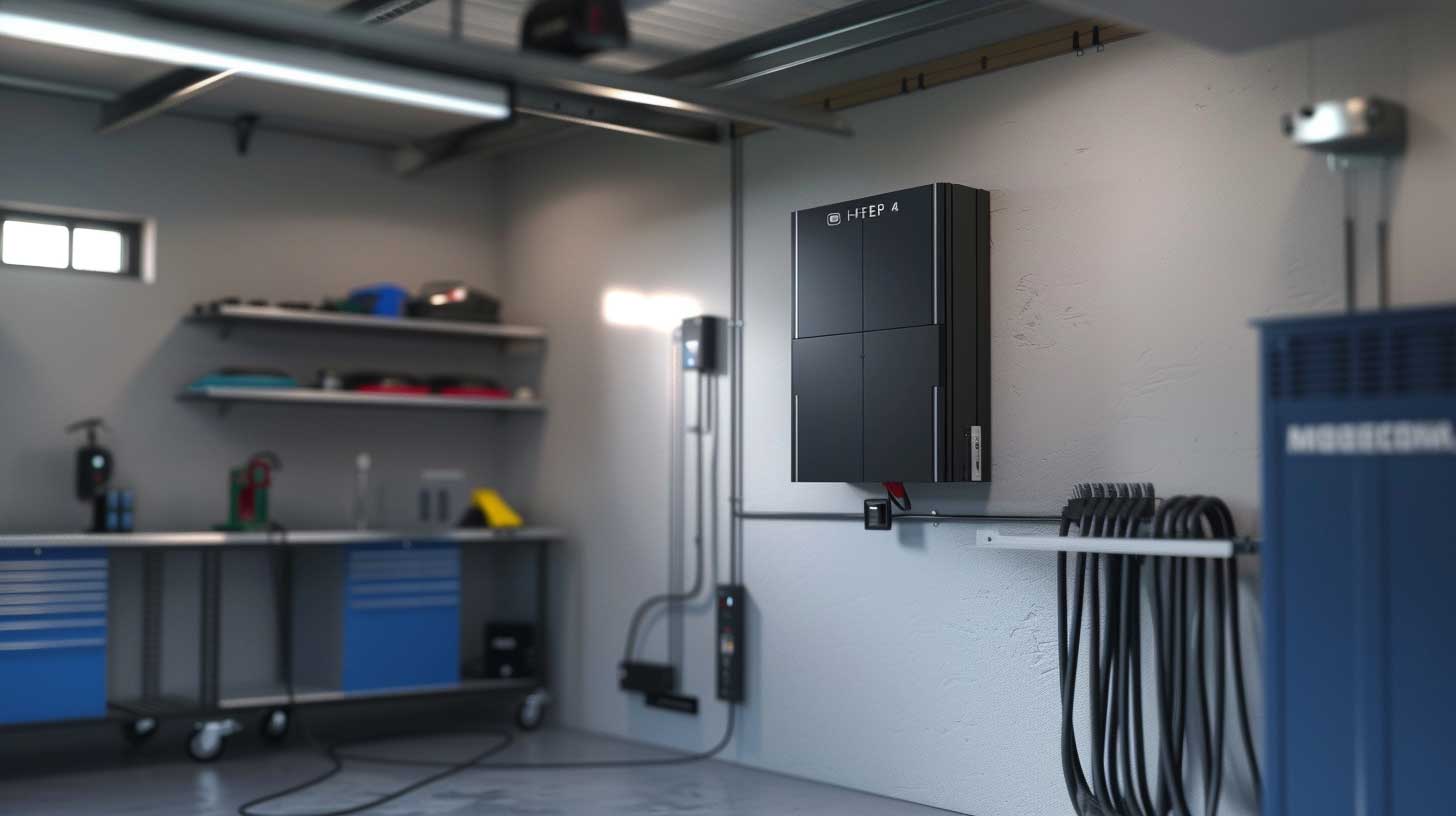
| Проблема | Зарядний пристрій для свинцево-кислотних акумуляторів | Універсальний зарядний пристрій для літієвих акумуляторів | Належний зарядний пристрій для LiFePO4 |
|---|---|---|---|
| Перенапруга | Високий ризик | Помірний ризик | Практично виключено |
| Знижена напруга | Дуже ймовірно | Можливе | Запобігає |
| Без балансування | Так | Часто | Включає балансування |
| Неналежне плавання | Руйнівний | Може перезаряджати | Оптимізовано для LiFePO4 |
| Проблеми з температурою | Ігнорується | Іноді контролюється | Активно керується |
Втрата ємності: до 30%/рік із неправильним зарядним пристроєм
Скорочення циклічного ресурсу: з 2000+ до 500 циклів
Ризики безпеки: можливе здуття або теплові явища
Втрата гарантії: більшість виробників вимагають схвалені зарядні пристрої
На що слід звертати увагу при виборі якісного зарядного пристрою для LiFePO4?
При виборі зарядного пристрою враховуйте ці критичні характеристики: 1) Точна напруга системи (12В, 24В, 48В), 2) Належний номінальний струм (20-100% ємності батареї), 3) Профіль заряду, оптимізований для LiFePO4, 4) Вбудований зв'язок із системою керування батареєю.
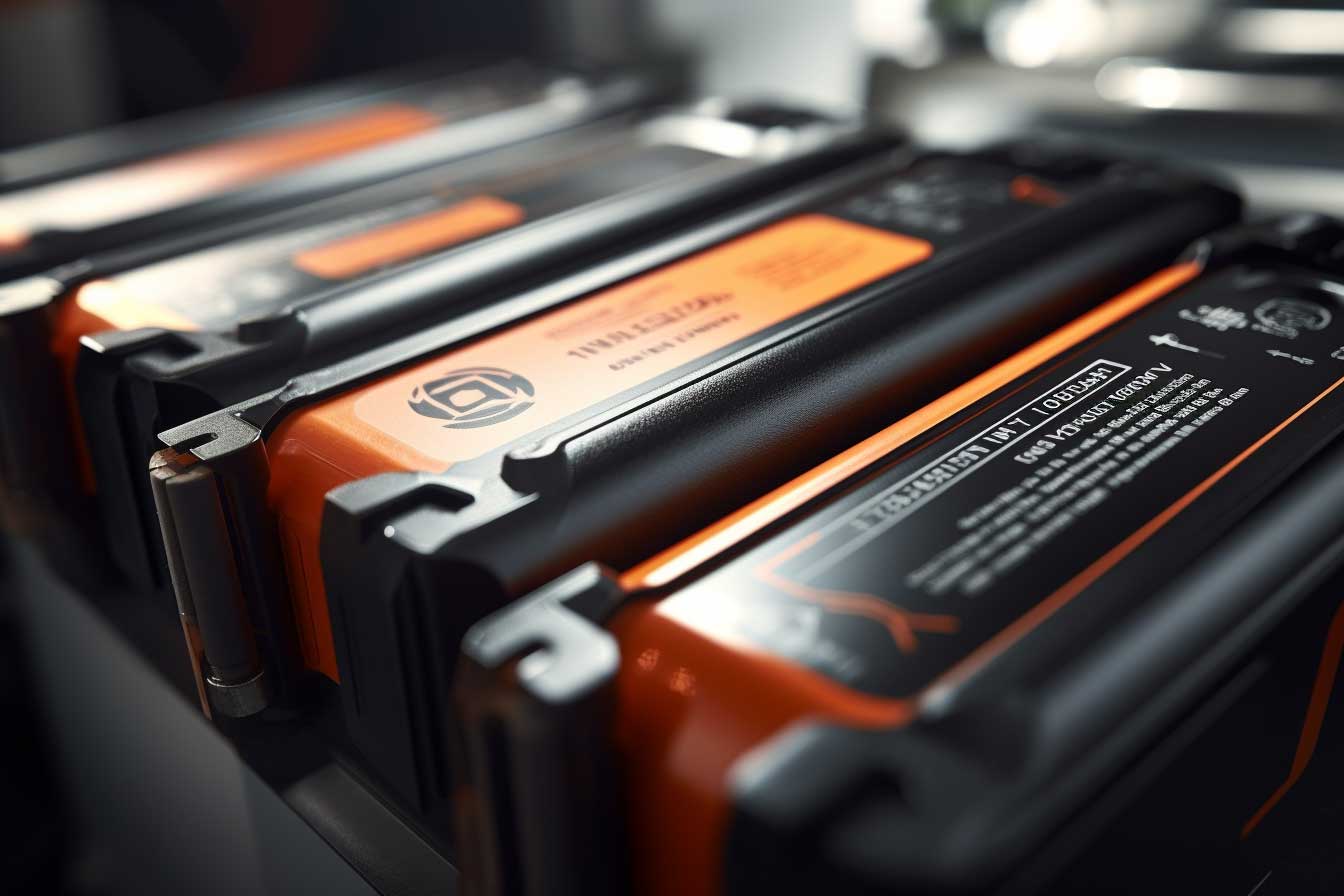
| Розмір батареї | Рекомендований зарядний пристрій | Ключові особливості |
|---|---|---|
| 100Ah 12В | ANC-12V30A | Вихід 30А, зв'язок CAN |
| 200Ah 24В | ANC-24V50A | Двоступеневе охолодження, ступінь захисту IP65 |
| 5 кВт·год 48 В | ANC-48V60A | Можливість паралельного підключення, РК-дисплей |
| Системи від 10 кВт·год | ANC-MPPT100A | Сумісність із сонячними панелями, хмарний моніторинг |
Порти зв'язку (CAN, RS485) для даних акумулятора
Екологічні рейтинги (IP65 для використання на відкритому повітрі)
Масштабованість для майбутнього розширення
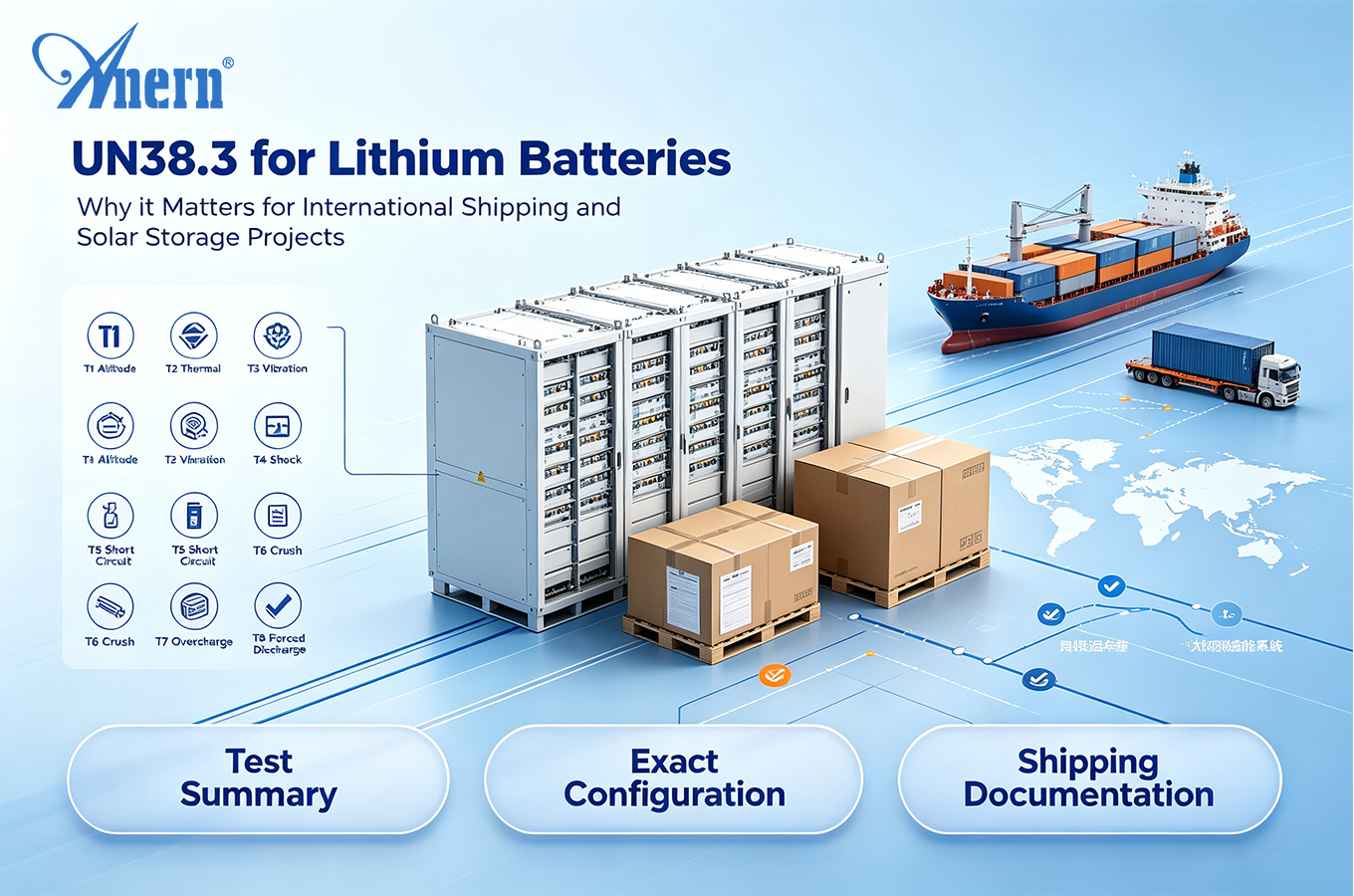
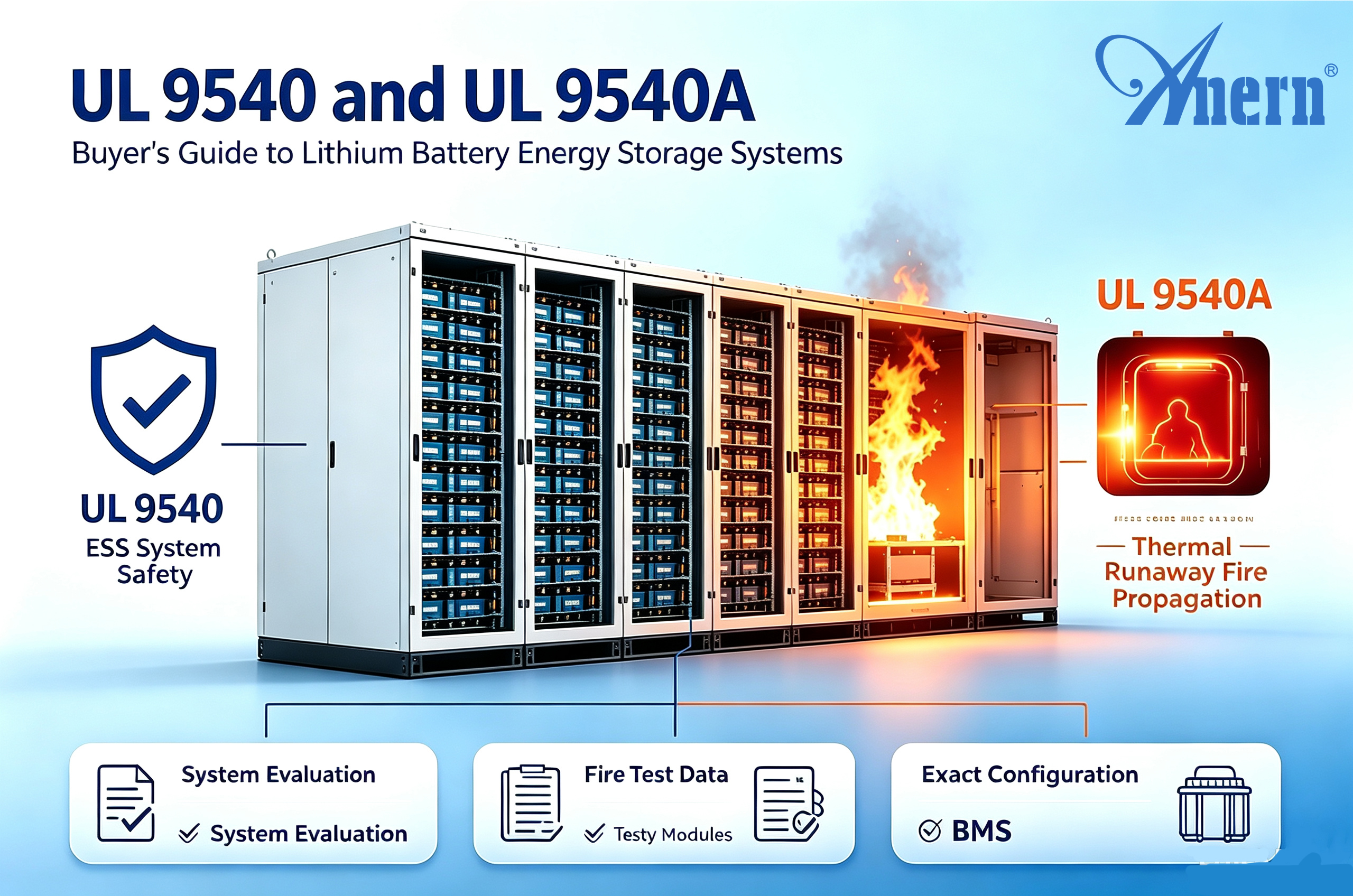
Сертифікації (UL, CE, UN38.3)
Які найчастіші помилки заряджання ми спостерігаємо?
Найпоширеніші помилки включають: використання профілів заряджання для свинцево-кислотних акумуляторів, ігнорування впливу температури, заряджання при температурі нижче нуля без підігрівачів, змішування акумуляторів різного віку/ємності та нехтування регулярним балансуванням - усе це може знизити ємність на 20-40%.
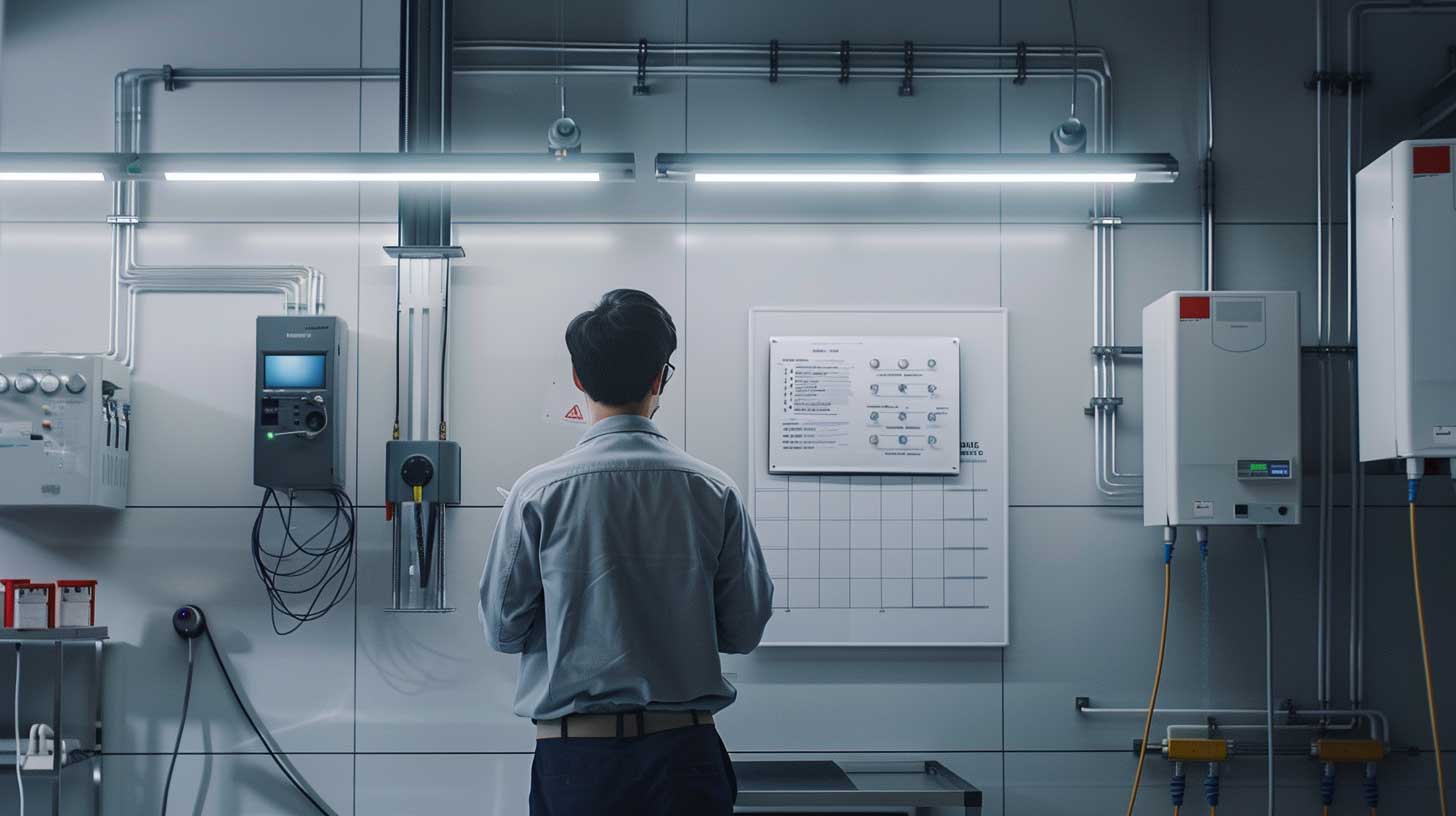
| Помилка | Наслідок | Рішення |
|---|---|---|
| Використання автомобільного генератора | Стрибки напруги пошкоджують BMS | Встановіть зарядний пристрій DC-DC для LiFePO4 |
| Заряджання при частковому стані заряду | Прискорене зниження ємності | Регулярно заряджайте до 100% |
| Ігнорування дисбалансу комірок | Зменшена корисна ємність | Використовуйте зарядні пристрої з активним балансуванням |
| Заряджання на холоді | Відбувається осадження літію | Попередній прогрів нижче 0°C (32°F) |
| Послідовне з'єднання зарядних пристроїв | Нерівномірний розподіл заряду | Використовуйте один зарядний пристрій відповідного розміру |
Щомісячні повні заряджання для підтримки калібрування
Щоквартальні тести ємності для раннього виявлення проблем
Щорічні професійні перевірки для великих систем
Негайна заміна набряклих акумуляторів
Інвестиція в належний зарядний пристрій для LiFePO4 захищає ваші вкладення в акумулятор і забезпечує роки надійної роботи вашої системи зберігання енергії.