EN
EN
 fr
fr  de
de  es
es  it
it  ru
ru  pt
pt  ar
ar  id
id  ms
ms  uk
uk 


Ми співпрацювали з понад 200 країнами у проєктах сонячної енергетики та проєктах дорожнього освітлення. Ми експортували продукцію до багатьох країн і брали участь у багатьох важливих урядових проєктах по всьому світу.



Ми співпрацювали з понад 200 країнами у проєктах сонячної енергетики та проєктах дорожнього освітлення. Ми експортували продукцію до багатьох країн і брали участь у багатьох важливих урядових проєктах по всьому світу.

Anern має 17 років досвіду у сфері сонячного освітлення та виробництва сонячної продукції. Штаб-квартира Anern розташована в Гуанчжоу. Маючи виробничу базу площею 30 000 квадратних метрів, наша компанія має команду досліджень і розробок з понад 100 осіб.
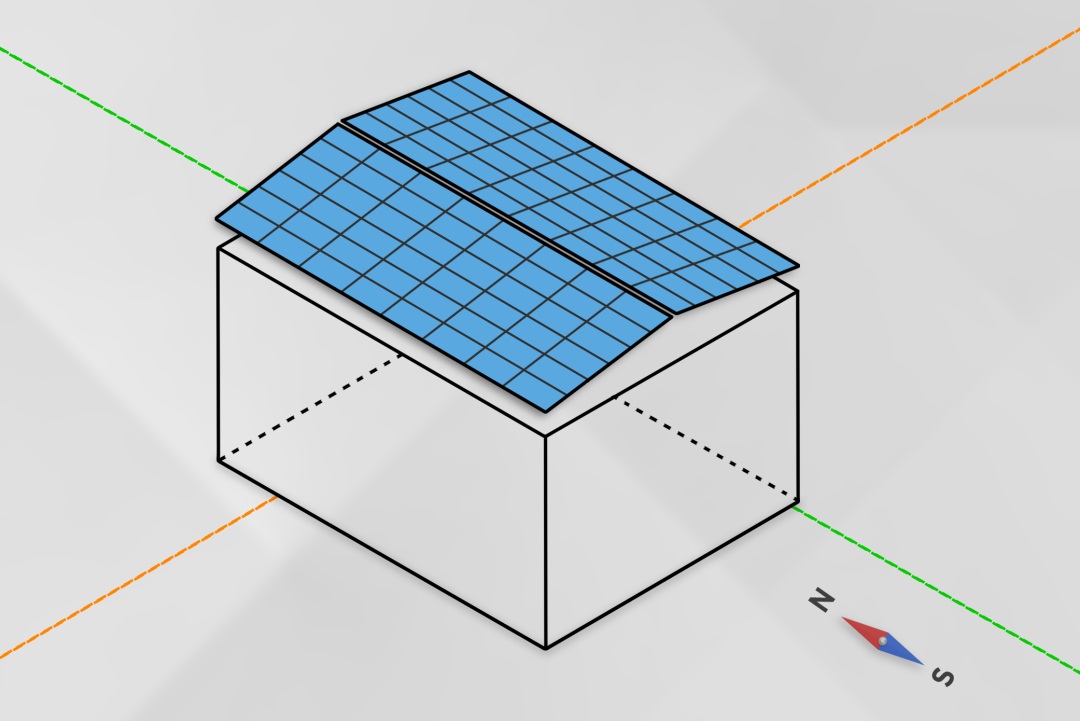
Як усім відомо, під час встановлення фотоелектричної системи на даху орієнтація сонячних панелей Anern суттєво впливає на виробництво електроенергії системою. Якщо взяти за приклад Північну півкулю, фотоелектричні модулі бажано встановлювати з орієнтацією на справжній південь. Цей напрямок забезпечує максимальне отримання сонячної енергії. Однак у практичному застосуванні через обмеження планування будівель і доступного простору сонячні панелі Anern часто не можуть бути всі встановлені в оптимальній орієнтації. Це особливо поширене в житловій фотоелектриці, де панелі також можуть встановлюватися на дахах, орієнтованих на схід і захід.
Тож який вплив на виробництво електроенергії має встановлення фотоелектричних панелей з орієнтацією на схід і захід?
У традиційних системах із струнними інверторами через послідовне з'єднання між сонячними панелями Anern система часто зазнає впливу «ефекту короткої дошки». Коли струна модулів розподілена за кількома орієнтаціями, зниження ефективності в одному наборі модулів може вплинути на виробництво електроенергії всієї струни, тим самим впливаючи на вихідну потужність фотоелектричних модулів на дахах із різними орієнтаціями.
Однак для будинків із кількома орієнтаціями ми можемо вирішити цю проблему, використовуючи систему мікроінверторів. Система мікроінверторів використовує конструкцію з входом на рівні модуля та має незалежну функцію відстеження точки максимальної потужності (MPPT), що може повністю усунути «ефект короткої дошки» та забезпечити незалежну роботу кожної сонячної панелі. Навіть коли модулі встановлені на дахах, орієнтованих у різних напрямках, вихідна потужність кожного модуля може бути оптимізована, що гарантує, що виробництво електроенергії модулями на різних дахах не впливає одне на одного, і мінімізує втрати виробництва електроенергії, спричинені кількома орієнтаціями.
Використовуючи симуляційні експерименти PVsyst, ми провели дослідження дахових систем сонячного зберігання енергії в провінції Чжецзян, Китай, у Північній півкулі. В експерименті ми встановили 20 фотоелектричних модулів потужністю 570 Вт як на дахах, орієнтованих на схід, так і на захід, з кутом нахилу 15 градусів і загальною потужністю системи 22,8 кВт. В експерименті порівнювалися відмінності у виробництві електроенергії за однакових умов для системи зі струнним інвертором і системи з мікроінвертором із використанням двох різних типів інверторів. Ось результати симуляції на основі даних про виробництво електроенергії за один зимовий день:
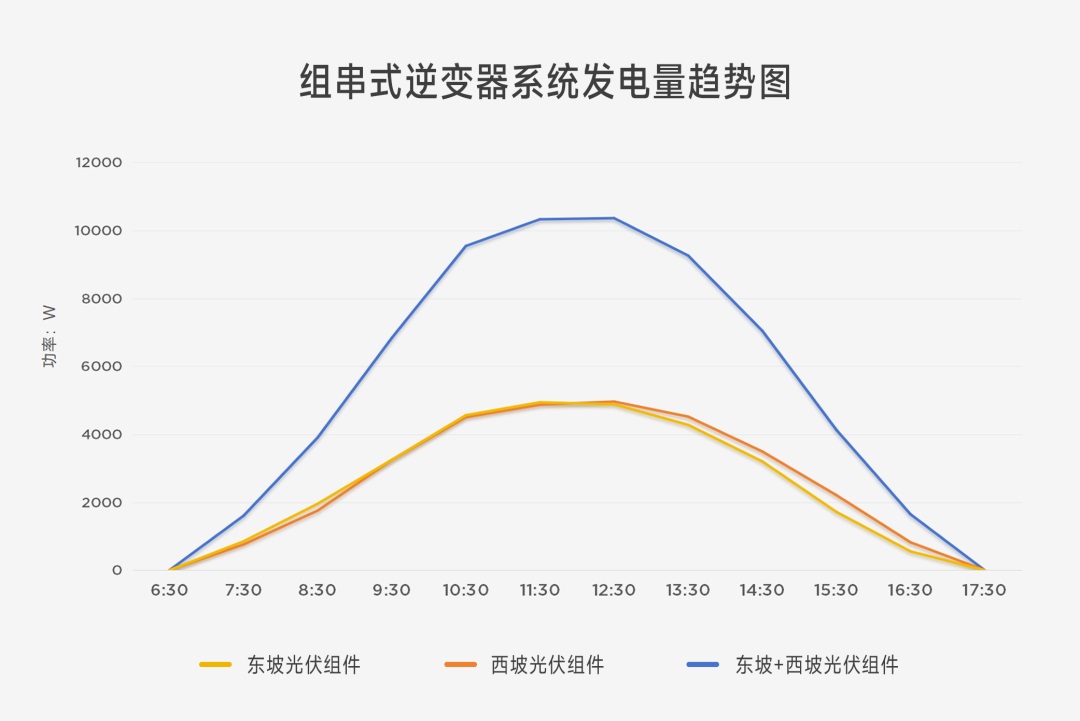
Виробництво електроенергії з орієнтацією на схід: 30,19 градуса, виробництво електроенергії з орієнтацією на захід: 31,14 градуса, загальне виробництво електроенергії: 61,33 градуса. Криві виробництва електроенергії для східного та західного схилів майже повністю збігаються.
Виробіток електроенергії на схід: 35,57 градусів, виробіток електроенергії на захід: 36,29 градусів, загальний виробіток електроенергії: 71,86 градусів. Порівнюючи криві виробітку електроенергії східного та західного схилів, можна побачити, що вранці східний схил виробляє значно більше електроенергії, ніж західний схил, тоді як після обіду західний схил виробляє значно більше електроенергії, ніж східний схил.
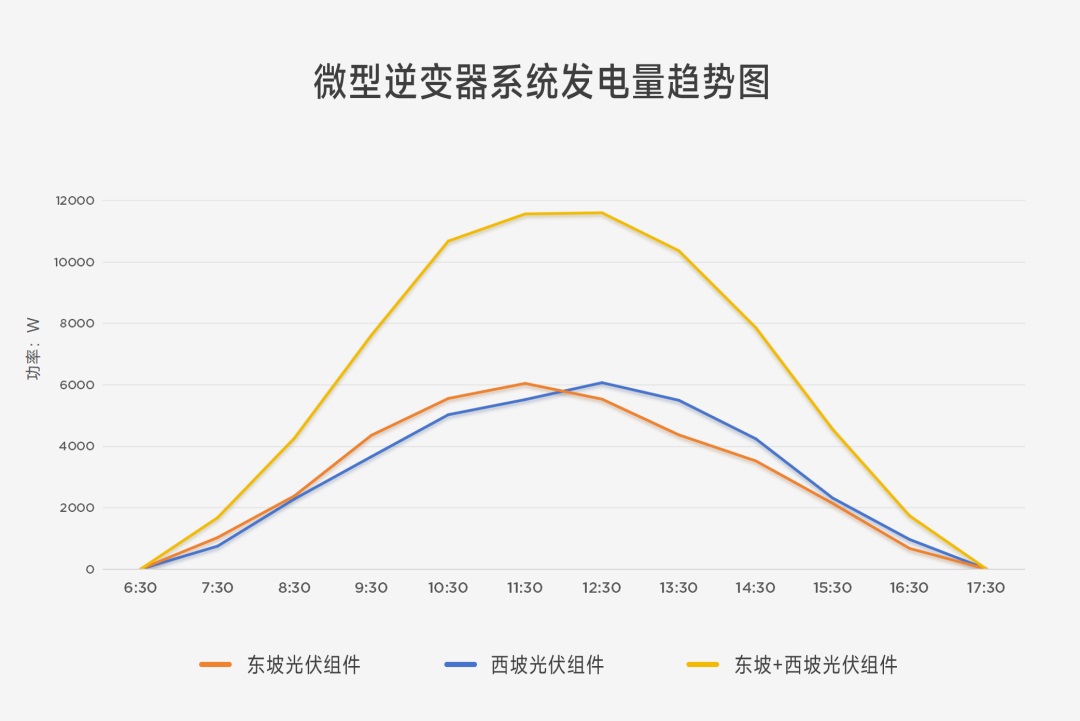
З наведених вище результатів симуляційного експерименту ми бачимо, що східні та західні сонячні панелі Anern у системі зі стринговим інвертором виробляють менше електроенергії протягом дня порівняно з системою з мікроінвертором. Основна причина полягає в тому, що вранці, коли сонце сходить зі сходу, східні модулі отримують сильне сонячне опромінення, тоді як західні модулі отримують слабше сонячне опромінення. У системі зі стринговим інвертором через «ефект короткої дошки» виробіток електроенергії східних модулів обмежується слабшим опроміненням, яке отримують західні модулі, і навпаки ввечері. Таким чином, виробіток електроенергії східних і західних модулів завжди однаковий; натомість у системі з мікроінвертором із функцією MPPT на рівні модуля кожен модуль працює незалежно. Вранці східні модулі отримують більше сонячного опромінення та виробляють більше електроенергії, ніж західні модулі, тоді як після обіду західні модулі виробляють більше електроенергії, ніж східні модулі. Кожен модуль завжди працює незалежно та видає оптимальну потужність.
Підсумовуючи, з розрахункових даних, у цьому експерименті система зі стринговим інвертором виробила на 10,53 градусів менше електроенергії порівняно з системою з мікроінвертором, з різницею 14,7%. Система сонячного зберігання енергії потужністю 22,8 кВт solar storage system зазнає щоденної втрати виробітку електроенергії в 10 градусів через східно-західну орієнтацію. Якщо це продовжити протягом року, втрата виробітку електроенергії становитиме близько 3800 градусів, що серйозно вплине на виробіток електроенергії та дохід системи.